Where to Actually See Stars in Western Colorado
One certified Dark Sky Park, four certified communities, and one very good place that is not certified at all.
One certified Dark Sky Park, four certified communities, and one very good place that is not certified at all.
Colorado has more certified Dark Sky Places than almost any other state, and several of them are on the Western Slope. Here is what is actually designated, what is merely good, and how to plan a night around either.
Designated an International Dark Sky Park on September 8, 2015. It is the only certified national park unit in this immediate region.
The park runs evening programs and night-sky viewing sessions in partnership with the Black Canyon Astronomical Society, plus special programming for celestial events. The anchor is an annual Astronomy Festival in June: four days of astronomy and solar programs with Sky Rangers, local astronomers and guest speakers. Confirm current-year dates with the park at 970-641-2337.
Practical notes for a night visit: the South Rim is the year-round side, entry is $30 per vehicle for seven days, and the park is cashless. The South Rim Campground is open but reduced to twenty-five non-electric sites after the 2025 fire, and reservations are required. Cell service is limited, so download the Recreation.gov app before you arrive.
These are towns that changed their lighting ordinances to qualify. Staying in one is the easy version of a dark sky trip:
Also certified in the broader region: Curecanti National Recreation Area, Gunnison Gorge NCA, Dinosaur National Monument, Hovenweep, Mesa Verde, Browns Canyon, Chimney Rock, Top of the Pines, and the Lake Fork Earth and Sky Center.
Two corrections worth making, because both appear in circulating lists: Crested Butte is not certified. And Westcliffe and Silver Cliff are certified but sit in Custer County on the east side of the Sangre de Cristos, not on the Western Slope.
This one needs stating plainly because it gets misreported. Colorado National Monument is not a certified Dark Sky park. It does not appear on the state's roundup of certified places or in DarkSky International's directory.
It is still the closest genuinely dark ground to Grand Junction, and it has two structural advantages: the park is open twenty-four hours a day, seven days a week, and the campground's Loop B is open year-round with round-the-clock access.
The Park Service has hosted night sky events at the Saddlehorn Picnic Area with telescope viewing, but the page documenting that is archived and describes a 2019 event. We could not verify any currently scheduled program. Call 970-858-3617 rather than assuming there is one.
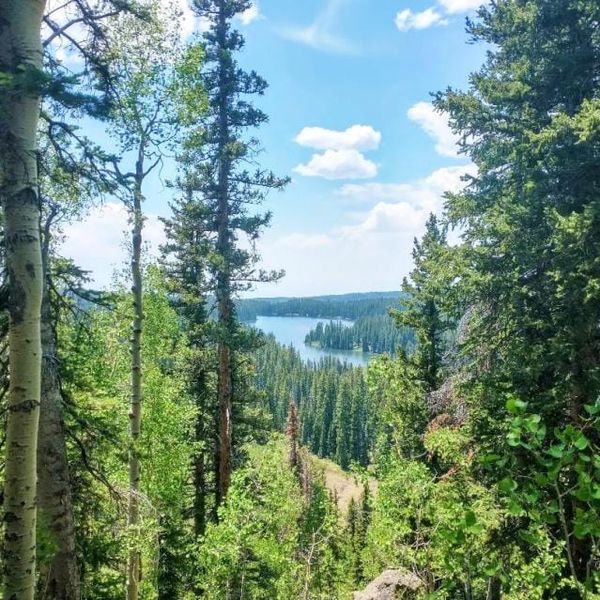
No certification and no officially designated viewing site, so we will not claim one. What is true: the mesa top sits at roughly 10,000 to 11,000 feet with more than three hundred lakes and large tracts of national forest well away from valley light, and Forest Service campgrounds and Highway 65 pullouts are publicly accessible.
Two constraints. The mesa-top season is effectively July through September — Crag Crest is commonly snow-blocked until early July. And night temperatures at 10,000 feet fall hard even in midsummer.
Standard Park Service guidance, and all of it matters more at these elevations:
If you are combining stargazing with the Grand Mesa, remember that you would be sleeping at 10,000 feet. CDC guidance flags risk of altitude illness at sleeping altitudes of 8,000 feet and above for anyone unacclimatized, and wilderness medicine guidance advises against sleeping above 9,000 feet after a single day's ascent from low elevation. Grand Junction sits at about 4,600 feet. Sleep a night in the valley first, then go up.
Checked September 2026 by Western Slope Trellis. Program schedules change seasonally — confirm with the park before driving out at night.