Civic engagement on the Western Slope this week shifts toward localized outreach and long range land use planning. The highlight is a rare joint Town Hall in De Beque involving both town and county leadership. Meanwhile, the Mesa County Land Development Code overhaul continues to be the dominant narrative, as officials prepare to move public notices to digital platforms and introduce more flexible housing options like tiny homes.
Mesa County: The De Beque Town Hall and BOCC Hearing
The Mesa County Board of Commissioners will focus on direct community engagement this week, highlighted by a joint Town Hall in De Beque on April 28. This session allows North Valley residents to address both town and county leaders in a single forum. Earlier that day, the Commissioners will hold an Administrative Hearing to address routine county business and volunteer board appointments, which have recently been moved to "individual consideration" to increase public transparency.
- Administrative Hearing: Tuesday, April 28 at 9:00 AM.
- Joint Town Hall: Tuesday, April 28 at 6:00 PM.
- Where (Town Hall): De Beque Community Center, 381 Minter Ave, De Beque, CO.
- Virtual Access: Watch the morning hearing live via theMesa County OnBase Portal. (Note: Town Halls are typically in-person only to encourage local dialogue).
- Why it Matters: The Town Hall is a unique "one stop shop" to ask who handles what between the town and county. For the morning hearing, pay attention to the new process for board appointments. By discussing each volunteer individually, the county is highlighting the "quiet" roles that shape local planning and health policy.
Grand Junction: Planning Commission and "Meet You There"
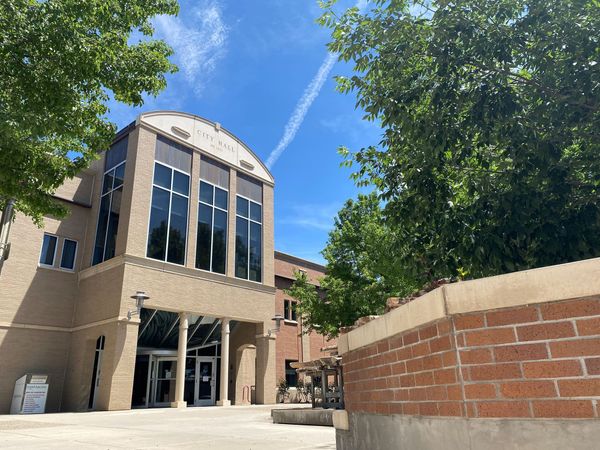
The Grand Junction Planning Commission meets on April 28 to review new development applications that will shape the city's 2026 growth. This meeting is the primary venue for public feedback on proposed neighborhood changes before they reach City Council. On Friday, the "Meet You There" initiative continues with Councilmember Laurel Lutz, offering a tour of the Community Food Bank followed by an informal policy conversation.
- Planning Commission: Tuesday, April 28 at 5:30 PM.
- Councilmember Engagement: Friday, May 1 at 12:30 PM (Tour) and 1:00 PM (Conversation).
- Where (Planning): City Hall Auditorium, 250 North 5th Street, Grand Junction, CO.
- Where (Lutz): Community Food Bank, 476 28 1/2 Rd, Grand Junction, CO.
- Virtual Access: The Planning Commission meeting is streamed live on the Grand Junction Agendas & Minutes Portal.
- Why it Matters: The Planning Commission is where "Neighborhood Character" is defined. If you are concerned about a new build or a zoning change near your home, this is your first and most important stop. Friday's session with Councilmember Lutz provides a rare, informal setting to discuss city services like parks and utilities outside of a formal hearing.
Garfield County: Commission Meeting and Land Use Appeals
The Garfield County Board of Commissioners convenes on April 27 for its regular session, followed by a Board of Adjustment meeting in the evening. The morning session will likely address infrastructure priorities and policy directives for the second quarter of 2026. The evening session focuses on specific land use variances, where homeowners and developers seek exceptions to standard zoning codes for unique property challenges.
- Commission Meeting: Monday, April 27 at 10:00 AM.
- Board of Adjustment: Monday, April 27 at 6:30 PM.
- Where: 108 8th Street, Room 100, Glenwood Springs, CO.
- Virtual Access: Stream both sessions via the Garfield County Meeting Portal or their official YouTube channel.
- Why it Matters: Garfield County is navigating a complex 2026 water year. Expect the morning session to touch on regional infrastructure resilience. The evening Board of Adjustment meeting is critical for those tracking how "zoning flexibility" is handled for individual property owners in the county.
The Regional Growth Policy Watch: Land Development Code Update
Executive Summary: Mesa County is currently proposing a major overhaul of its Land Development Code (LDC), the primary document guiding growth in unincorporated areas. The 2026 update aims to modernize land use by legalizing tiny homes in several zones and transitioning public notices from local newspapers to a digital first format on the county website. These changes are designed to align with new state mandates regarding wildfire risk and electric vehicle infrastructure while simplifying the development process for residents.
- Digital Public Notices: The county proposes moving legal notices from traditional newspapers to a centralized digital hub on the Mesa County website.
- Housing Flexibility: Tiny homes would be allowed by right in multiple zoning districts, significantly lowering the barrier for entry level housing.
- Density Shifts: The code proposes increasing residential density in certain zones while removing it from industrial areas to better separate conflicting land uses.
- Why it Matters: This is the most significant policy update for rural Mesa County in a decade. It fundamentally changes how you receive information about nearby projects and what types of housing can be built on your neighbor's lot.