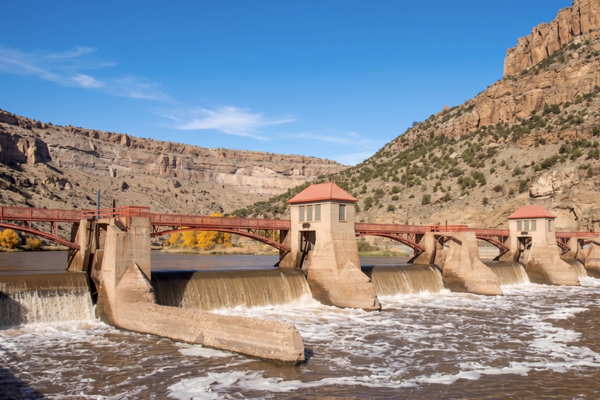
Effective April 13, 2026, the Grand Valley Water Users Association (GVWUA) has implemented mandatory water restrictions across its entire service area. Due to the Historic User’s Pool (HUP) reaching "dead pool" status for the first time in recorded history, there is currently no "buffer" water available for the season.
Water delivery is currently capped at one cubic foot per second (cfs) per 40 acres. These restrictions apply to all properties regardless of size or previous usage history.
- Restriction Level: 1 cfs per 40 acres.
- Example: A 10-acre lot is limited to 1/4 cfs of water.
- Compliance: Ditch riders are strictly monitoring headgates to ensure equitable distribution.
- Action Required: Users are urged to coordinate closely with their ditch riders. Please contact the rider assigned to your "Ride" to confirm your delivery schedule.
- Ride #1 (Tom): 970-242-6438 (28 ½ Rd to 24 ½ Rd)
- Ride #2 (Jacob): 970-858-7519 (24 ½ Rd to 19 Rd)
- Ride #3 (Mike): 970-858-7374 (19 Rd to 13 Rd)
- Ride #4 (Jeff): 970-858-7236 (13 Rd to 6 Rd)
Regional Drought and Runoff Forecast (Garfield and Mesa)
The 2026 water year is officially trending toward the lowest runoff volumes in over 80 years. According to the late April Water Supply Briefing, the Upper Colorado River Headwaters at Cameo are forecasted to receive only 40% of their average April-to-July runoff.
- Basin Status: As of April 21, the Upper Colorado River Basin snow water equivalent has dropped to 19–22% of the historic median following a record-warm March.
- Garfield County Impacts: The Rio Blanco snow course is currently reporting its lowest observed value in its 87-year history.
- Conservation Tip: Utilize the "cycle and soak" method. Water in short durations multiple times to allow the parched, hard-packed soil to actually absorb moisture rather than letting it run off.
- Diligence Note: The GVWUA is also asking users to watch for Zebra Mussels. If you see anything suspect on headgates or in the canal, please take a photo and contact your ditch rider immediately.
Earth Week 2026: Local Action Guide
April 20 to 26 marks the height of Earth Week activities on the Western Slope. This year’s schedule prioritizes drought-resilient gardening and sustainable stewardship.
- Key Event: Earth Action Celebration at Flex Park (Montrose)
- Date/Time: Thursday, April 23, 4:00 PM – 7:00 PM.
- Details: Hosted by the Uncompahgre Valley Alliance and Western Colorado Alliance. Featuring interactive exhibits, drought-resilient gardening workshops, and live entertainment.
- Volunteer Opportunity: Riverfront Cleanup (Grand Junction)
- Date: Saturday morning, April 25.
- Goal: Register to help remove debris from the riverfront before the unseasonably early peak runoff arrives.
For a deeper dive into the technical data driving these emergency restrictions, residents can refer to the April 2026 Water Supply Briefing issued by the Colorado Basin River Forecast Center (CBRFC). This comprehensive report details the unprecedented climatic factors affecting our watershed this season:
- Record-Low Snowpack: As of early April, many areas in the Upper Colorado River Basin are reporting record-low Snow Water Equivalent (SWE), with some locations seeing the lowest values in over 87 years of recorded history.
- Warmest March on Record: A significant portion of the decline in water supply is attributed to March 2026 temperatures ranking as the warmest on record since 1895, which led to premature snowmelt and diminished runoff efficiency.
- Critically Low Runoff Forecasts: Seasonal water supply forecasts for major reservoirs and river segments are well below normal, with the probability of record-low April–July runoff volumes increasing across the basin.
- Soil Moisture Context: While mid-to-high elevation soil moisture is generally above average due to early melting, it has not been enough to offset the lack of a sustaining mountain snowpack.
Read the full report here: CBRFC April 2026 Water Supply Briefing (PDF)
Publisher’s Note: While the GVWUA (Government Highline) is under strict restriction, the Grand Valley Irrigation Company (Lowline) has not yet implemented a mandatory cap but is advising all users to prepare for potential changes as river flows dwindle.