Colorado Parks and Wildlife Expands Voluntary Fishing Closures on Gunnison River Due to Low Flows and Warm Water
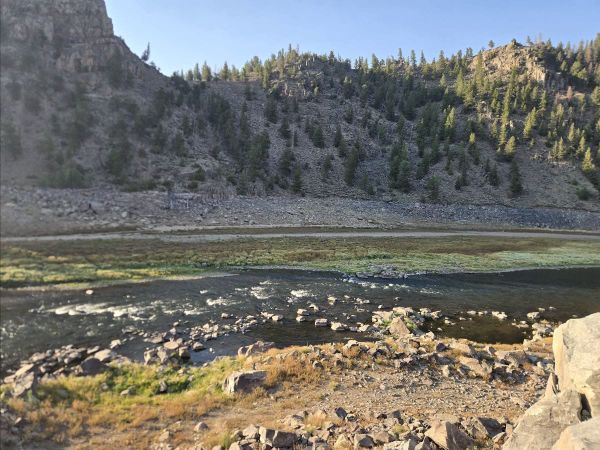
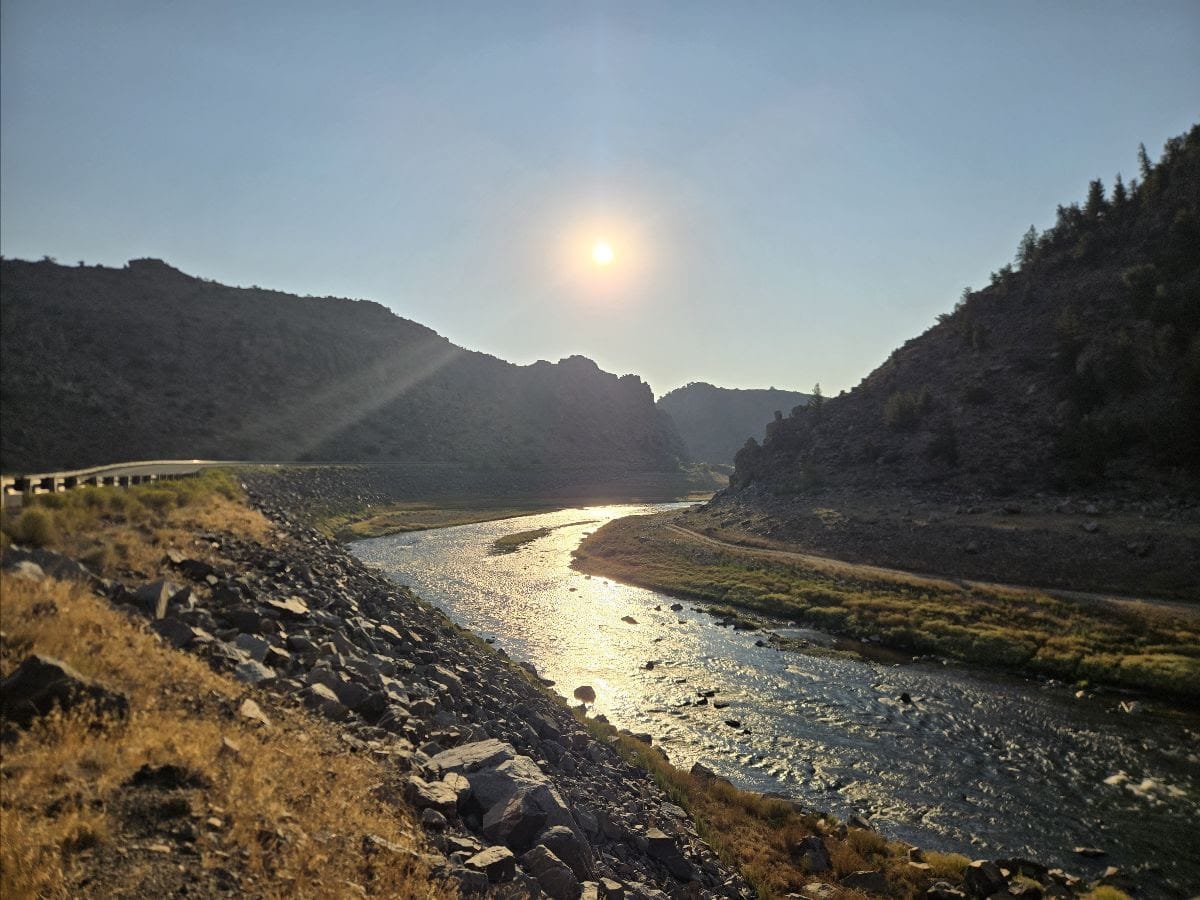
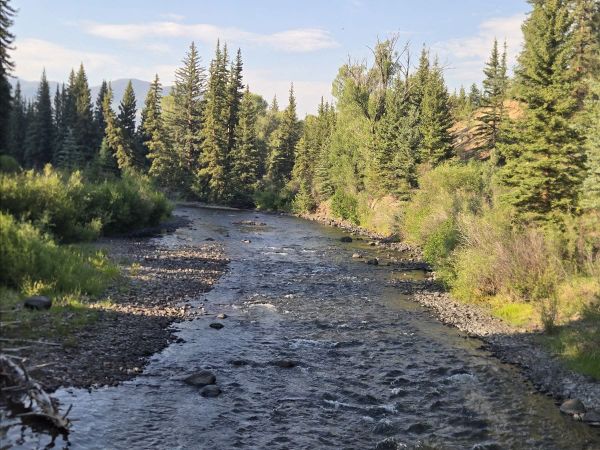
Colorado Parks and Wildlife has added a new voluntary fishing closure on an 11-mile stretch of the Gunnison River above Blue Mesa Reservoir. The daily noon-to-midnight restriction aims to protect trout as drought, low flows and warm water continue to stress fisheries.
Colorado Parks and Wildlife (CPW) is expanding its voluntary fishing closures as drought conditions continue to affect rivers across the state.
Beginning Friday, Aug. 7, anglers are asked to avoid fishing from noon to midnight on an 11-mile stretch of the Gunnison River above Blue Mesa Reservoir. The voluntary closure is intended to protect trout and other cold-water fish from additional stress as river flows decline and water temperatures rise during the hottest part of the day.
The closure will remain in effect until further notice.
Newly Affected Section of the Gunnison River
The voluntary closure applies daily from noon to midnight on the Gunnison River between:
U.S. Highway 50 Bridge, and
Colorado Highway 149 Bridge, where the river enters the standing waters of Blue Mesa Reservoir.
Morning fishing remains open, allowing anglers to recreate during the coolest part of the day when fish are better able to recover after being caught and released.
Why the Closure Is Being Implemented
According to CPW, conditions on the river are expected to worsen over the coming week.
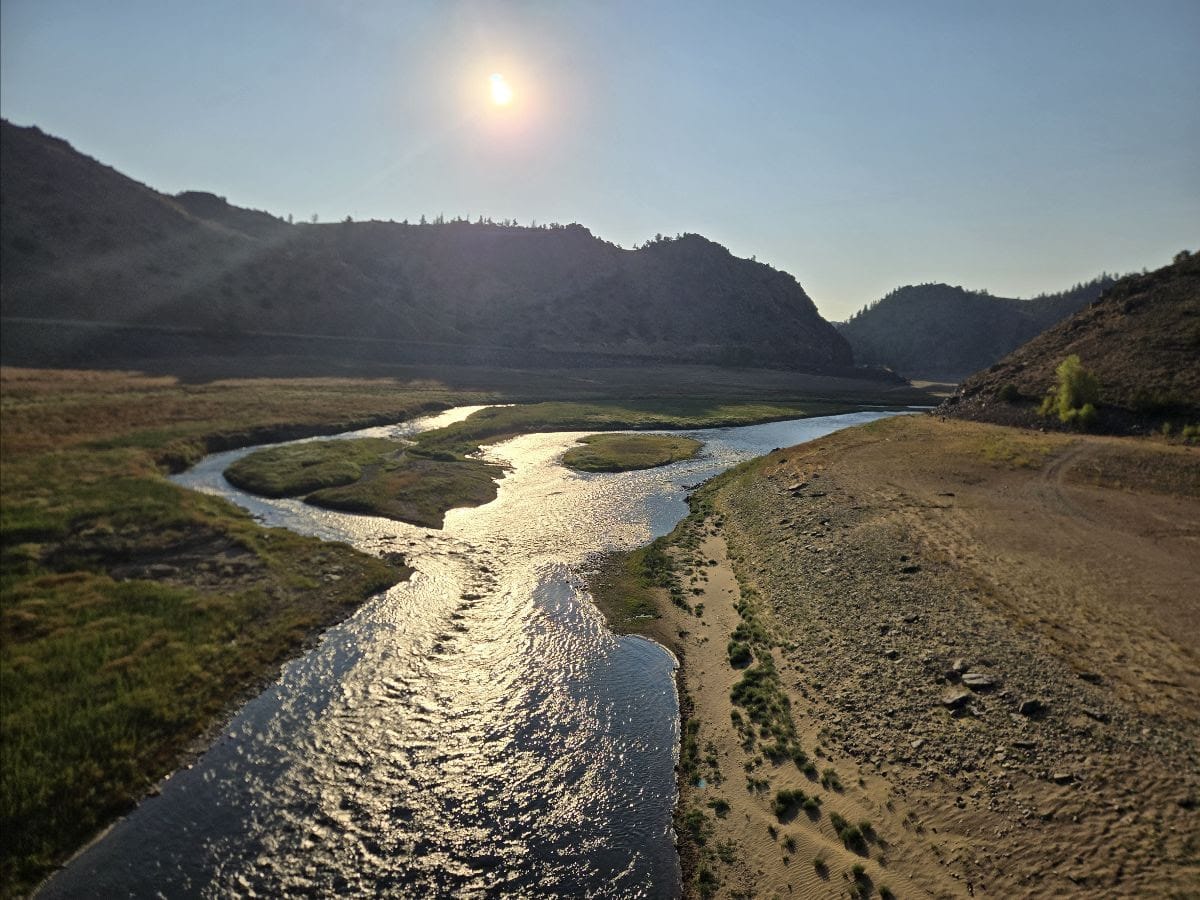
Flows from Taylor Reservoir are scheduled to decrease by 100 cubic feet per second (cfs) by Aug. 12. At the Highway 50 gauge, the Gunnison River is currently flowing at approximately 330 cfs, or about 50% of the historical median, while afternoon water temperatures are reaching the upper 60s on hot days.
"Flows from Taylor Reservoir are going to be cut by 100 cubic feet per second between now and Aug. 12," said CPW Aquatic Biologist Giulio Del Piccolo. "We are implementing this closure proactively as river conditions are expected to decline further, particularly in the lower part of the reach."
CPW says afternoon fishing can place significant stress on trout during periods of warm water and reduced streamflow, even when fish are released.
A Voluntary Approach to Protect the Fishery
Rather than closing the river entirely, CPW is asking anglers to fish during the morning hours and voluntarily avoid fishing during the afternoon and evening when water temperatures are highest.
The agency hopes that voluntary compliance will reduce the need for mandatory closures later in the season.
"This section is an important asset to the local community, and we understand that the current drought is limiting angling options and outfitter opportunities," Del Piccolo said. "This voluntary closure is a great chance for anglers and recreators who value this river to give it a break and allow it to recover."
CPW also thanked local fishing guides and anglers who have already been voluntarily limiting afternoon fishing on the river.
Colorado's Drought Continues to Affect Fisheries
With the addition of this Gunnison River closure, 646 miles of Colorado rivers and streams are now under either voluntary or mandatory fishing restrictions.
Despite those closures, CPW notes that Colorado still offers abundant fishing opportunities, including:
More than 44,000 miles of streams and rivers
More than 1,300 lakes and reservoirs
Fishing opportunities for more than 35 species of fish
Anglers looking for cooler conditions are encouraged to explore higher-elevation streams and alpine lakes where water temperatures remain lower.
When Does CPW Issue Mandatory Closures?
CPW may impose mandatory fishing restrictions when environmental conditions reach critical thresholds, including:
Water temperatures exceeding 71 degrees
Streamflows dropping to 50% or less of average
Fish showing visible signs of stress or fungal infections
Dissolved oxygen levels falling below 6 parts per million
How Anglers Can Help Protect Fish
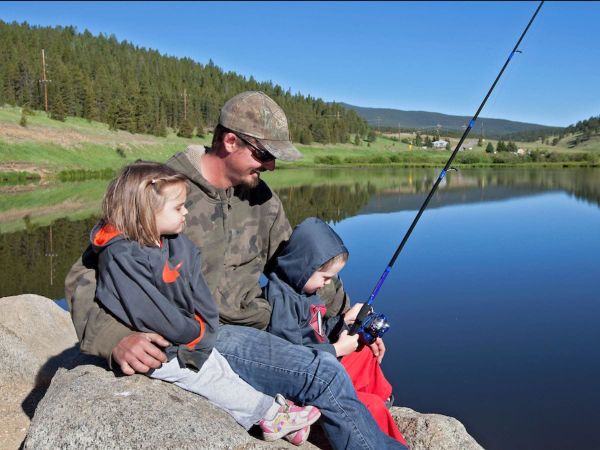
CPW encourages anglers to adjust their fishing practices during hot summer weather to reduce stress on fish populations.
Recommended practices include:
Fish early in the morning before water temperatures peak.
Carry a thermometer and stop fishing as water temperatures approach 71 degrees.
Use heavier tackle to reduce the amount of time fish spend fighting.
Wet your hands before handling fish.
Keep fish submerged while removing hooks.
Avoid lifting fish from the water for photographs.
Consider alternate fishing locations when conditions become stressful.
By following these practices and respecting voluntary closures, anglers can help preserve Colorado's fisheries during another challenging drought season.