Western Colorado residents and public lands advocates are raising concerns about a federal proposal that would lower bonding requirements for oil and gas companies drilling on public lands.
The Bureau of Land Management is proposing to revise its 2024 onshore oil and gas rule, including a major reduction in the minimum statewide bond companies must post before drilling on federal leases.
Under the 2024 rule, the minimum statewide bond was raised to $500,000. The new proposal would return that amount to $25,000.
Bonding is meant to help cover the cost of plugging wells and reclaiming land if an operator walks away or goes out of business. Critics of the rollback say the lower bond amount could make it easier for companies to abandon wells and leave taxpayers responsible for cleanup.
Federal officials say the changes are intended to reduce regulatory barriers, lower costs for energy development, and create more predictability for operators.
Why Bonding Matters
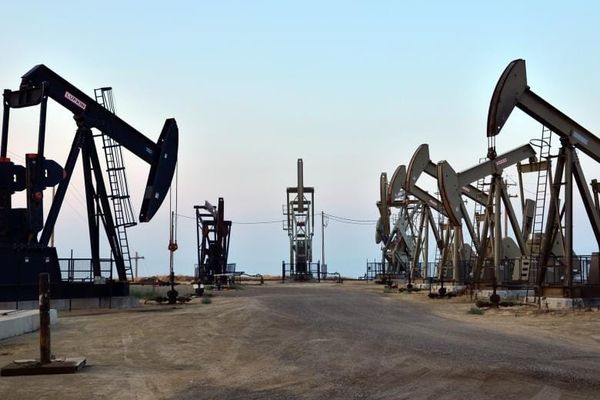
When an oil or gas well is no longer producing, it must be properly plugged and the surrounding land must be reclaimed. That work can be expensive, especially when wells are remote, old, leaking, or poorly maintained.
If the company responsible for a well disappears, declares bankruptcy, or fails to complete the work, the well can become orphaned. In those cases, cleanup costs may fall to state or federal agencies, and ultimately to taxpayers.
Barbara Vasquez, a Jackson County resident and board member of the Western Colorado Alliance and Western Organization of Resource Councils, said her community has already seen what happens when companies leave old wells behind.
“I live in Jackson County, Colorado, where companies left hundreds of orphaned oil wells on public lands after drilling was done and profits banked,” Vasquez said in a statement released by the Western Organization of Resource Councils.
The group argues that returning bonding rates to levels set decades ago does not reflect the current cost of plugging wells and restoring damaged land.
BLM Says Proposal Would Support Energy Development
The Interior Department has framed the proposed rule as part of a broader effort to expand domestic energy production and reduce costs for oil and gas operators.
According to BLM, the proposal would replace the 2024 statewide bond requirement with the previous $25,000 standard while the agency gathers public input on a longer-term approach.
The agency also says it retains authority to require higher bonds in specific cases through bond adequacy reviews. In the Federal Register notice, BLM says lower minimum bond amounts could reduce incentives for operators to reclaim well sites, but argues the agency can manage that risk through existing review tools.
That is where critics disagree. They argue that low minimum bonds create a financial incentive for companies to forfeit the bond rather than pay the full cost of cleanup.
The proposed rule also includes changes to public participation in leasing decisions.
BLM says the proposal would shorten public participation time frames from 90 days to 10 days. The Federal Register notice also proposes reducing the formal protest period after a lease sale notice from 30 calendar days to 10 calendar days.
For Western Slope residents who live near potential lease parcels, that change is a major concern.
Sarah Hunkins, Washington, D.C. representative for the Western Organization of Resource Councils, said the shorter timeline would make it harder for people most affected by leasing decisions to weigh in.
Public lands advocates say that matters because lease sales can affect recreation areas, wildlife habitat, irrigation systems, homes, and rural economies.
Local Concerns Around Western Colorado Lease Parcels
The bonding debate is unfolding as BLM continues to offer oil and gas leases in Colorado.
In April, BLM announced a June 16, 2026, Colorado oil and gas lease sale involving 170 parcels totaling 155,816 acres. Leasing does not automatically authorize drilling. Before drilling can occur, an operator must submit an application for permit to drill, and BLM must review the proposal.
Still, residents say the leasing stage matters because it can shape what lands are put on a path toward future development.
In a recent opinion piece, Austin, Colorado land steward, hunter, and angler Nicole Potter wrote that several nominated parcels are close to places she uses regularly, including areas near Adobe Buttes, Pleasure Park, Fruit Growers Reservoir, and nearby irrigation water.
“This is not just sales, this is my life,” Potter wrote.
Potter argued that public lands decisions should include meaningful local input, especially when nominated parcels are near recreation areas, waterways, homes, and working landscapes.
Recreation, Water, and Rural Economies
For many Western Slope communities, public lands are tied to more than scenery.
They support hunting, fishing, trail use, off-road recreation, tourism, agriculture, and local identity. Places near the Gunnison River, Grand Mesa, Meeker, and other Western Colorado landscapes draw residents and visitors who spend money in nearby towns.
Residents critical of the rule change say the federal government should weigh those long-term local values against short-term revenue from lease sales.
They also argue that if companies pay lower royalties, lower bonding amounts, or lower up-front costs, rural communities may see fewer public benefits while facing greater risk from abandoned infrastructure.
Polling Shows Broad Support for Cleanup Accountability
The debate also comes as public polling shows strong support in the Mountain West for requiring oil and gas companies to pay cleanup costs.
Colorado College’s 2026 Conservation in the West Poll found broad support across several Western states for requiring companies, rather than taxpayers, to pay for cleanup and land restoration after drilling is finished.
For opponents of the bonding rollback, that polling shows the federal proposal is out of step with many Western voters.
What Happens Next
The proposed rule is now going through the federal rulemaking process. BLM says publication of the Federal Register notice opens a 60-day public comment period.
After reviewing comments, the agency can finalize the rule, revise it, or withdraw portions of it.
For Western Colorado residents, the central question is whether federal oil and gas policy will require companies to carry enough financial responsibility before drilling begins.
Supporters of the rollback say lower bonding requirements will reduce barriers to energy development. Opponents say lower bonds increase the risk that communities and taxpayers will be left with orphaned wells, polluted sites, and long-term cleanup bills.
The outcome could shape how public lands are leased, how wells are reclaimed, and how much say local residents have when oil and gas development is proposed near the places they live, work, and recreate.