If you live in Rifle or Silt and need to get to a doctor’s appointment in Glenwood Springs next winter, you might be out of luck.
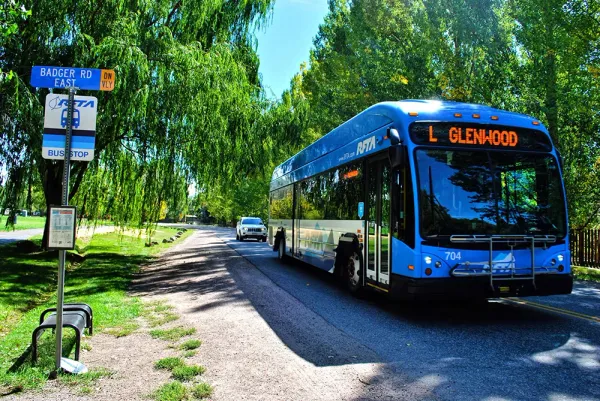
The "Hogback" bus line—the only regional transit connector for Western Garfield County—is facing a hard stop this November. With county funding slashed and emergency stopgaps running out, local leaders are scrambling for a solution. But the latest proposal on the table has sparked a firestorm: a plan to strip millions from Garfield County Libraries to keep the buses running.
Transit advocates say it is a "false choice" that pits two essential community lifelines against each other, leaving residents wondering why they can’t have both.
The "Manufactured Crisis"
The current emergency didn't happen overnight. For years, Garfield County subsidized the Hogback route with approximately $500,000 annually. But in recent budget cycles, the Board of County Commissioners (BOCC) cut that funding to $250,000 and signaled an intent to zero it out entirely, arguing that the county was "carrying more than our share" of regional transit costs.
This withdrawal created a funding vacuum that Silt Town Manager Jim Mann attempted to fill last week with a controversial proposal: redirecting roughly $2.3 million in county sales tax revenue from the Library District to fund transit services, including the Hogback, the Traveler, and Parachute Area Transit System (PATS). This scenario would require voter approval if the BOCC chooses to refer it to the November ballot.
While the proposal aims to solve the transit deficit, it does so by dismantling the funding model voters approved for libraries, effectively robbing Peter to pay Paul.
Who Actually Rides the Bus?
The debate in the Commissioner’s chambers often frames transit as a subsidized perk for commuters. However, a deep dive into a 2025 Community Transportation Needs Assessment, reveals a different reality.
While 43% of respondents do use the bus to get to work, the system is a critical lifeline for basic survival needs.
- Healthcare Access: Residents consistently identified access to medical services—particularly recurring appointments like physical therapy and dialysis in Glenwood Springs—as a top priority.
- Education: Students at the Colorado Mountain College (CMC) Rifle campus face dangerous hurdles. The campus is located up a road with heavy truck traffic and no sidewalks, leaving students without cars to walk in unsafe conditions.
- Seniors: In Silt, where grocery and medical options are limited, seniors rely on transit to remain independent.
"I use the bus to get to my medical appointments in Glenwood," one Rifle senior noted in the study. "Without it, I don't know how I'd see my doctor."
Voters Are Willing to Invest
Perhaps the most surprising finding from the 2025 study is that the "tax-averse" reputation of Western Garfield County might be overstated, at least when it comes to essential services.
When asked if they would support a sales tax increase specifically to fund better bus service:
- 73% of Rifle residents said Yes.
- 81% of Silt residents said Yes.
This data suggests that the community understands the value of transit and is willing to pay for it, undermining the argument that stripping library funds is the only politically viable option.
A Question of Priorities
Critics of the library-transit swap argue that the County Commissioners have the power to fix this crisis without pitting community services against each other. By restoring the general fund subsidy to its historical levels, the county could secure the Hogback line immediately.
Instead, the current standoff leaves the most vulnerable residents; students, seniors, and service workers, in limbo.
"Rural communities shouldn't have to choose between a ride to work and a place to learn," said a community advocate familiar with the negotiations. "We need buses, not poorly funded libraries, and we certainly don't need budget games that starve one public good to feed another."
What’s Next?
With the November deadline ticking closer, residents are urged to make their voices heard. The data shows that Western Garfield County wants a robust transit system, but not at the expense of its libraries. The question remains whether local leadership will find a sustainable path forward before the bus stops coming.