A Worker-Owned Home Care Model Is Coming to Western Colorado
A worker-owned home care model is launching in Colorado, with a focus on the Western Slope. The Colorado Care Cooperative is recruiting caregivers to help build a more stable, locally rooted care system.
A new kind of home care system is being built in Colorado, and it is starting with a simple shift in power.
The Colorado Care Cooperative is working to launch a worker-owned home care agency across the state, including the Western Slope. Instead of caregivers working within a system they do not control, this model gives them a direct role in how care is delivered, managed, and sustained.
For Debra Brown, Program Director with the Rocky Mountain Employee Ownership Center, the goal is clear.
“We are building something where caregivers actually have a voice,” she said. “They are not just employees. They are helping shape how this works from the ground up.”
A Different Model, Built Around Caregivers
The Colorado Care Cooperative is structured as a worker-owned business. Caregivers are not just hired into the system. They help run it.
That includes participating in decisions about operations, governance, and long-term direction. Over time, it can also include shared financial returns as the cooperative grows.
This is a direct response to a well-known problem in the care economy. Many home care workers face low wages, inconsistent schedules, and high burnout.
“When workers have ownership, and a say in how they do their job, they stick around,” Brown said. “And when you have stability in the workforce, you get better care.”
This is not just about improving jobs. It is about improving the quality and consistency of care across entire communities.
The Care Gap Is Growing on the Western Slope
Across Colorado, more people are aging in place and more families are relying on home-based care.
But access is uneven, and in Western Colorado, the gaps can be harder to ignore.
“In rural and frontier communities, the gaps are more visible,” Brown said. “People may not have as many options, and caregivers are often stretched thin.”
Distance, workforce shortages, and transportation all shape how care is delivered here. In some cases, those barriers mean families go without the support they need.
The cooperative model is designed to respond directly to those realities by building a more stable, locally rooted caregiving workforce.
Building It Locally, Not From the Outside
The Colorado Care Cooperative is not rolling out a fixed model. It is actively recruiting founding members from the Western Slope who will help shape how it works in their communities.
Founding members will participate in planning, governance, and outreach as the cooperative prepares to launch services, potentially as early as June 2026.
“This is not just a job opportunity,” Brown said. “It is a chance to build something that reflects and is of service to the community you live in.”
That means the structure, priorities, and partnerships can evolve based on local needs rather than being imposed from the outside.
Caregiving Is Core Community Infrastructure
It is easy to think of home care as just another service. In reality, it underpins how communities function.
Caregiving supports seniors who want to stay in their homes. It allows people with disabilities to live independently. It enables families to work, stay stable, and remain connected to their communities.
“If we do not have strong care systems, everything else becomes harder,” Brown said. “It affects families, it affects jobs, it affects the whole community.”
In that sense, caregiving is not separate from housing, transportation, or economic development. It is part of the same system.
What Happens Next
The cooperative is currently in its planning and recruitment phase, with caregiving services expected to begin once licensing is secured.
Right now, the focus is on building a base of caregivers who want to take part in shaping something new.
Get Involved
The Colorado Care Cooperative is actively looking for caregivers and community members on the Western Slope who want to be part of building this model.
If you are a caregiver, or have experience supporting seniors or people with disabilities, this is an opportunity to help create a different kind of system.
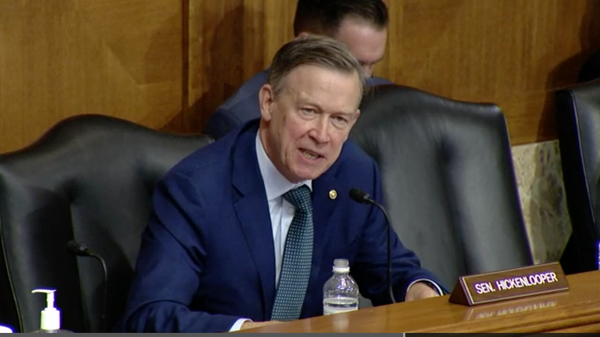
Sen. John Hickenlooper speaks during a Senate Energy and Natural Resources Committee hearing on Oct. 5, 2021. (Screenshot from Senate Energy and Natural Resources Committee)
Ned Fowkes and Alice Whitford visit their daughter, Eva, at the supported living home in Boise, Idaho, that she shares with another person with disabilities. The home is staffed round-the-clock with caregivers, and the family worries Medicaid cuts in the state could put that care at risk. (Kyle Green for KFF Health News)