When the Market Stops Working: Western Slope Housing, Childcare, and Services Strain Local Budgets
Western Slope communities are rewriting zoning laws, capping short-term rentals, and investing in broadband and childcare as housing costs and service gaps strain household budgets across Mesa, Montrose, and Garfield counties.
In Colorado’s Western Slope, families across Mesa, Montrose, and Garfield counties are confronting a growing affordability crisis. The cost of living continues to rise while core systems like housing, childcare, broadband, and healthcare fail to keep up with local needs. This article is the first in a series exploring why affordability feels out of reach for so many and what communities are doing in response.
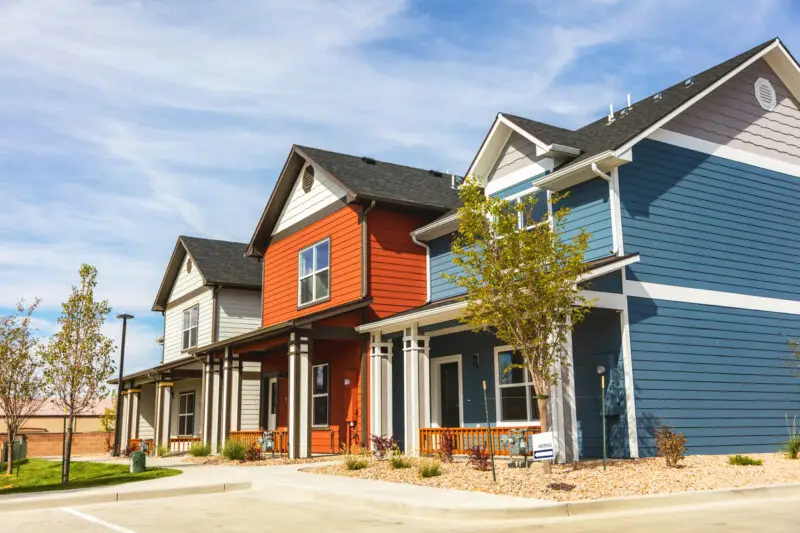
Housing Pressures Surge in Grand Junction, Montrose, and Glenwood Springs
Photo: Grand Junction Economic Partnership
The Grand Junction Economic Partnership reported that the median home price in Mesa County recently climbed to $423,000, with average monthly rent exceeding $1,600. Rising costs have made it increasingly difficult for middle-income residents to secure housing that fits their budget.
In Glenwood Springs, a longtime couple renting for 23 years saw their rent jump by $1,200 per month after neighboring homes sold for luxury prices. According to Aspen Journalism, this story reflects a broader trend in Garfield County, where the inventory of deed-restricted and income-restricted housing remains critically low.
Glenwood Springs residents Monte Nostrom, right, and his wife Elaine Nostrom, stand on a balcony at the new Benedict Apartments during a ribbon cutting ceremony on Aug. 7. The couple decided to apply for one of the new units after finding out their rent was going to increase by about $1,200 a month. Credit: Eleanor Bennett/Aspen Journalism & Aspen Public Radio
Montrose, by contrast, has taken steps to address the crisis. In 2024, the city overhauled its land use code, removing downtown zoning density caps and relaxing setbacks to encourage infill and more diverse housing types.
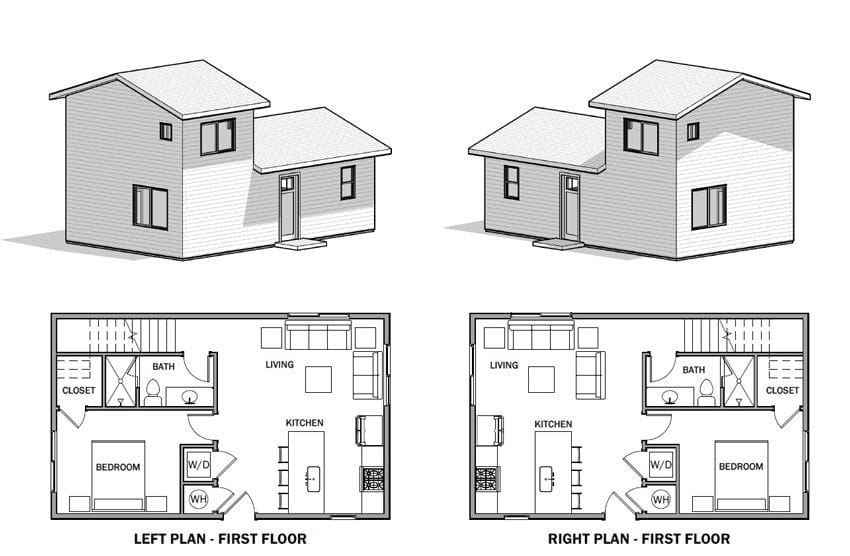
Montrose also launched a pre-approved accessory dwelling unit (ADU) program in 2025 to support rental development and multigenerational living. These moves came after a city housing assessment identified a significant mismatch between housing availability and community needs.
Examples of pre-approved ADU plans
Grand Junction has also begun to act. In July 2023, the City Council capped short-term rentals at 7 percent of homes in the downtown core and 3 percent in residential neighborhoods.
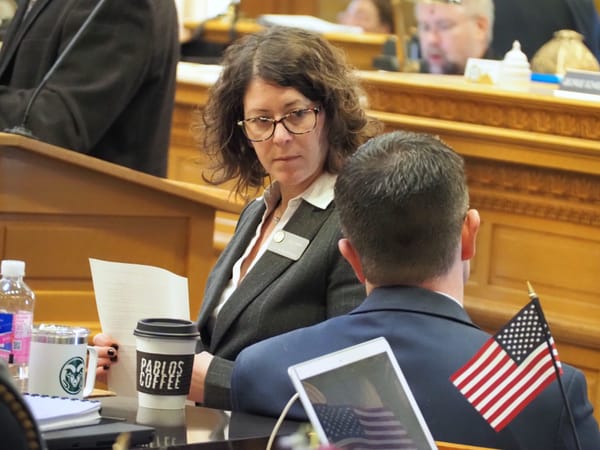
Mayor Pro Tem Abe Herman told KJCT News the goal is to preserve long-term housing for workers and residents before the city reaches a tipping point. “A lot of communities are seeing even half of their units being used as short-term rentals, driving prices up,” Herman said.
Broadband Expands Where the Market Fell Short
For years, large sections of Garfield County had little to no high-speed internet access. Local leaders decided to intervene, investing $5 million in a publicly owned middle-mile fiber network with the help of state grants. This broadband infrastructure now connects Glenwood Springs, Rifle, and Parachute, and is expected to bring high-speed service to approximately 4,000 households that previously had none. Details of the project were covered by the Post Independent.
County Commissioner Mike Samson said in a press release that the new system will provide “100 to 1,000 times faster” speeds than previous providers at competitive prices. The project, developed with NEO Connect and Region 10, positions Garfield County to support future private broadband expansion without relying entirely on market forces.
Childcare Deserts and Creative Solutions
Mesa and Montrose counties have been labeled “childcare deserts,” with demand far outpacing the number of available slots. A Chalkbeat Colorado report highlighted Mesa County’s ambitious “Child Care 8,000” initiative. While it fell short of its original goal to add 3,800 new childcare seats, the campaign did increase capacity by 20 percent. St. Mary’s Medical Center and Community Hospital in Grand Junction opened new on-site childcare centers, adding 184 spots for local healthcare workers.
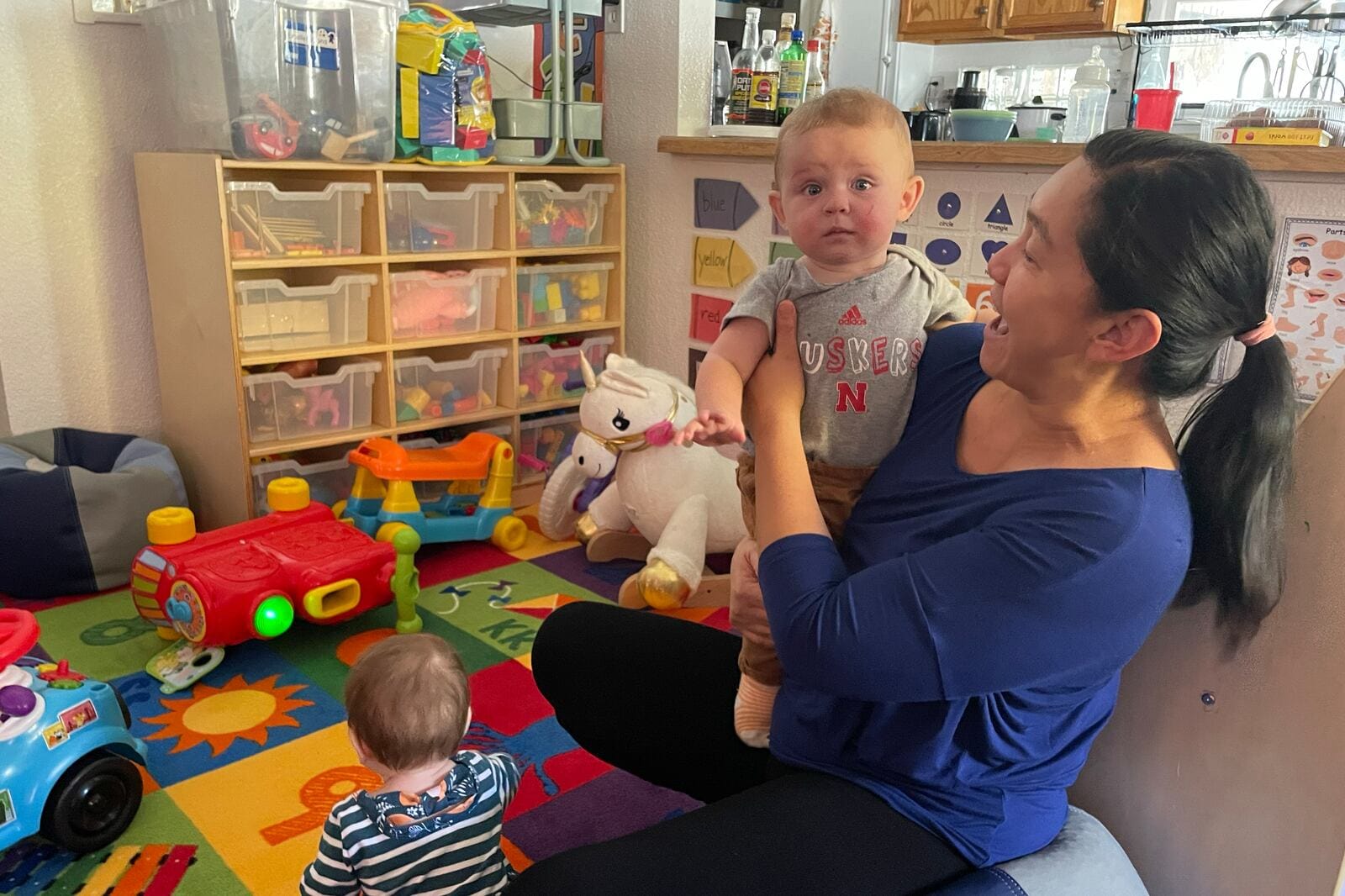
Grace Luchavez, who opened a child care business in her Grand Junction home in 2022, cares for up to six children every day. (Ann Schimke / Chalkbeat)
Montrose launched its own solution by allocating $850,000 to convert a city-owned building into a licensed childcare facility. Scheduled to open in 2026, the center will provide space for 50 children, with a focus on supporting first responders, city staff, and families in need. Voters also approved a lodging tax increase in 2024, with 17 percent of the new revenue—about $158,000 annually—earmarked to support early childhood programs. KKCO News reported on the city’s financial commitment to childcare infrastructure.
Healthcare Access Gaps Affect Seniors
In a move that sparked concern among older residents, Montrose Regional Health announced it would stop accepting Humana Medicare Advantage plans starting in 2026. This decision will leave many seniors with limited in-network options, a situation more difficult to navigate in a rural county with only one hospital. Local officials and healthcare providers are now working to educate affected residents about their options, though the disruption underscores the risks of fragmented insurance markets in rural areas.
What Broken Markets Look Like on the Western Slope
From rising rent and zoning limitations to patchy internet access and gaps in childcare and insurance coverage, these stories illustrate what economists call broken markets. When essential goods and services become unaffordable or inaccessible not because people lack demand but because systems fail to scale, the result is a higher cost of living with fewer options.
Yet communities in the Western Slope are responding. They are reforming zoning codes, regulating short-term rentals, investing in broadband, and using tax revenue creatively to fund care and housing.
As Glenwood Springs officials noted in their housing strategy, affordability “poses an existential threat to the economic vitality and quality of life of the area.” But with enough public will and policy innovation, communities are showing they can begin to close that gap.