Colorado Parks and Wildlife (CPW) has officially opened the application window for the 2026 Colorado Wildlife Habitat Program (CWHP), offering a total of $11 million in funding for private landowners looking to protect vital habitats or open new recreational access on their property.
The annual incentive program allows landowners to secure funding by implementing conservation easements, establishing public wildlife-related access (such as hunting or fishing rights), or selling critical parcels directly to CPW. The $11 million pool is funded through state Habitat Stamp revenue, hunting and fishing license sales, and Great Outdoors Colorado (GOCO).
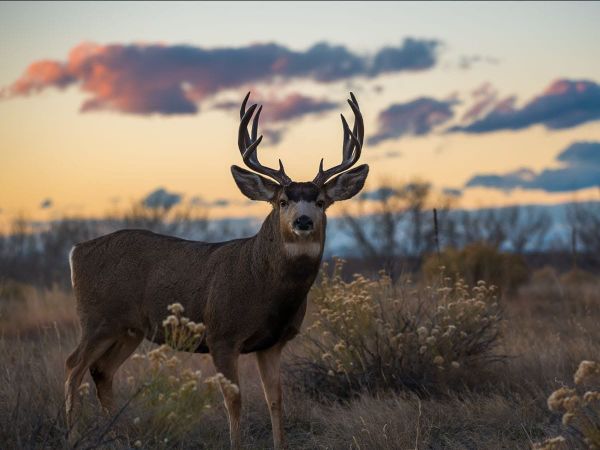
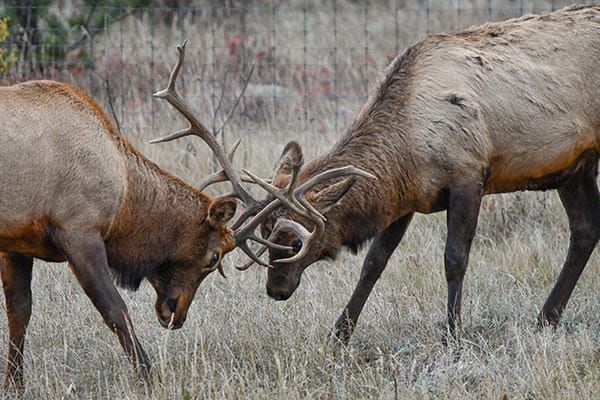
For Western Slope landowners, the 2026 cycle places a heavy emphasis on preserving the region's contiguous landscapes, big game corridors, and critical river basins.
2026 Funding Priorities & Preferences
CPW is evaluating proposals based on a specific set of conservation and access goals for this cycle:
- Core Priorities: Protecting big game winter range and migration corridors, securing public access for hunting and fishing, protecting wetlands and riparian zones, and conserving large, landscape-scale parcels that connect existing public or protected lands.
- Bonus Preferences: Properties that support wildlife crossings, function as active working farms and ranches, exhibit high biodiversity, or provide a public right-of-way to unlock otherwise landlocked public lands.
How to Apply
Landowners or their designated third-party representatives have until October 15, 2026, at 5:00 p.m. MST to submit a formal proposal.
Because the application process requires detailed budget alignments and timeline planning, state wildlife officials strongly recommend discussing proposals early. Landowners can contact their local regional CPW office to evaluate a project's merits, or reach out directly to the state program coordinator:
- Contact: Amanda Nims, CWHP Manager
- Phone: 303-291-7269
- Email: amanda.nims@state.co.us
Application guidelines, mapping requirements, and digital submission materials are available online at the CPW Wildlife Habitat Program portal.